

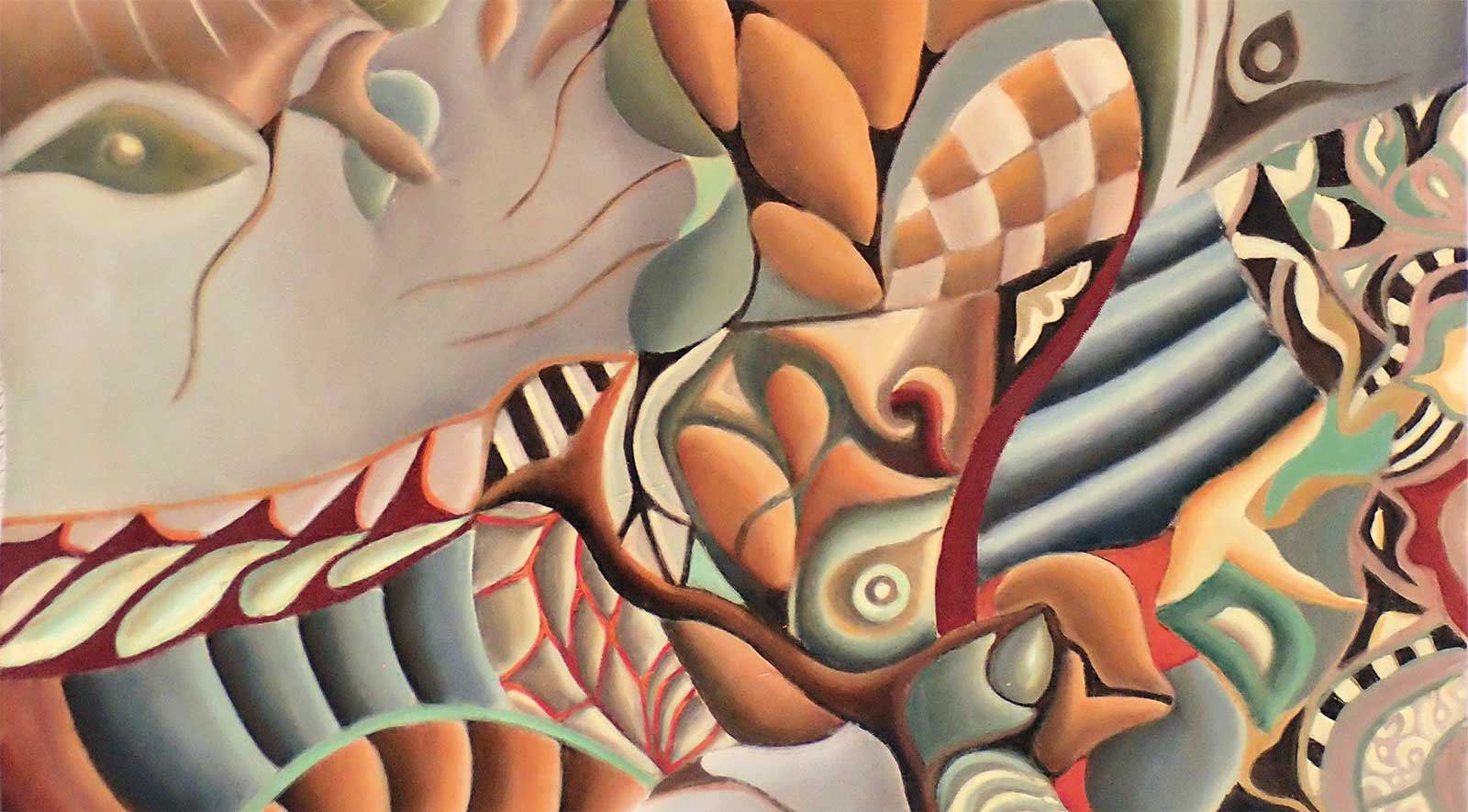
Οι “Ενοράσεις” της Μarta Biagini, αποτελούν ένα άνοιγμα σε ένα διαφορετικό κόσμο, όχι αντίθετο του πραγματικού, αλλά έναν ενυπάρχον κόσμο. Πρόκειται για μια περισσότερο υποκειμενική ματιά σε μια διαφορετική, οντολογική διάσταση του φυσικού κόσμου, με την οποία διάγουμε μια ιδιόμορφη σχέση, σχετικά με την κατανόηση και εξοικείωση των κοσμικών στοιχειών και του περιβάλλοντος χώρου.
Η ενόραση ορίζεται ως η ψυχική ικανότητα του να βλέπει κανείς εικόνες, πέραν από τις δυνατότητες της φυσιολογικής όρασης. Αφορά μια υποσυνείδητη διαδικασία, που συνδέεται άμεσα με την εμπειρία και εντάσσεται σε μια δευτερεύουσα φύση του ανθρώπου, ενώ προβάλλει τη γνώση, η οποία παράγεται με τρόπους μακριά από τις αισθήσεις και τη λογική.
Η αντίληψη μέσα από την εμπειρία, σχετίζεται με παράγοντες, οι οποίοι ασκούν άμεση επιρροή και καθορίζονται τόσο από τις υποκειμενικές πεποιθήσεις όσο και από το γενικό πολιτιστικό υπόβαθρο. Η καλλιτέχνης ενεργοποιεί αυτή τη διαδικασία της αντίληψής και παρουσιάζει τριανταένα ζωγραφικά έργα, στα οποία επιτυγχάνεται η διάκριση μεταξύ υποκειμενικού και αντικειμενικό στοιχείου, του εμπειρικού χώρου.
Η εργασία της χωρίζεται σε δυο κατηγορίες. Η πρώτη αφορά τον υποκειμενικό εαυτό και η οπτική της πάνω στα μορφολογικά στοιχεία, προσεγγίζει τον υπερρεαλισμό, ενώ η δεύτερη, η οποία αντλεί έμπνευση από τον αντικειμενικό κόσμο, εμφανίζει αναγνωρίσιμες μορφές, ενταγμένες σε μια περισσότερο ήπια ποιητική, που ανακαλύπτει το παράδοξο των δύο κόσμων.
Στην ενότητα των καθαρά υπερρεαλιστικών έργων, ο καμβάς κατακλύζεται από αφαιρετικά, βιομορφικά σχήματα που αιωρούνται στο χώρο. Οι απόκοσμοι τόποι, δεν υπακούν στην ευκλείδεια γεωμετρία, αλλά μέσω των σκιών και των περιγραμμάτων τους υποβάλλουν το τρισδιάστατο χώρο, απεικονίζοντας έτσι μια διαφορετική πραγματικότητα. Οι χρωματικοί οργανισμοί, δημιουργήματα του υποσυνείδητου, επιπλέουν και αναπτύσσονται, μέσα στις παραισθητικές περιοχές του νου, όπου ο χρόνος απουσιάζει εμφανώς. Παρελθόν και μέλλον συγχέονται σε ένα μεγάλο παρόν. Το σχέδιο είναι αυστηρό και οι φόρμες που σχηματοποιεί παρουσιάζονται κλειστές, κάτι το οποίο προσδίδει ένα χαρακτήρα σταθερότητας. Το χρώμα απλώνεται λείο και ενιαίο, χωρίς ορατά κατάλοιπα και υφές, προάγοντας έτσι την ολότητα που χαρακτηρίζει αυτό, το υποκειμενικό σύμπαν.
Στη δεύτερη κατηγορία, εντάσσονται έργα στα οποία τα απεικονιστικά στοιχεία, εξακολουθούν να έχουν σχέση με την αντικειμενική πραγματικότητα, έστω και αποσπασματικά. Τα χρώματα παρουσιάζονται πιο απαλά και οι φόρμες παύουν να είναι περιχαρακωμένες, σε σχέση με το περιβάλλον τους. Ο δεύτερος αυτός κόσμος αναπτύσσεται περισσότερο αναλογικά και πιο δυναμικά. Ο χώρος εδώ προσδιορίζεται από αρχιτεκτονήματα, αντικείμενα και φυτά, τα οποία συμπυκνώνονται νοηματικά σε κάθε σύνθεση. Πρόσωπα και σώματα ενσωματώνονται, μέσα στις αφαιρετικές κατασκευές που συμπληρώνουν τον ονειρικό κόσμο. Η σύνδεση μεταξύ των μορφών είναι ασαφής, προβάλλοντας έτσι μια δομική σχέση, η οποία εκ πρώτης όψεως βασίζεται στο παράλογο. Τα ρεαλιστικά στοιχεία δεν εμφανίζονται ως πληροφορίες μίας συγκεκριμένης αφήγησης, αλλά ως αποσπάσματα, που το καθένα ενέχει το δικό του νόημα και με αυτό συμβάλει σε ένα σύνολο, από το οποίο φανερώνεται η καθαρή έκφραση της ζωγράφου.
Η λειτουργία της τέχνης των “ενοράσεων” “, δεν αποσκοπεί στη γνώση αλλά ούτε και σε κάτι το πρακτικό. Στόχος της είναι να αποκαλύψει τη διαμάχη, μεταξύ των ενστίκτων και της συναισθηματικής λογικής, προς χάριν της έκφρασης.
Οι δύο διαφορετικές οπτικές, πάνω στον ίδιο εσωτερικό κόσμο, προτάσσουν την αντίφαση μεταξύ συνειδητού και ασυνείδητου. Η τάξη και η αυστηρή καθαρότητα που απολαμβάνουν οι φόρμες των αφαιρετικών, υπερρεαλιστικών έργων, έρχεται σε αντίθεση με τη ρευστότητα και την ώσμωση, που επικρατεί στις συνθέσεις οι οποίες διατηρούν την επαφή τους με στοιχεία της πραγματικότητας. Έτσι, στέκεται ενάντια στην ήδη διαμορφωμένη γνώση, σχετικά με την ελεύθερη κατάσταση που επικρατεί στο χώρο του ασυνείδητου και την αναγνωρίσιμη τάξη, που χαρακτηρίζει τη συνείδηση και τη λογική.
Η καλλιτέχνης οργανώνει μια διαφορετική δομή του ζωγραφικού της κόσμου, όπου κυριαρχεί η ασάφεια μεταξύ των σχέσεων των μερών του και με την ύπαρξη του να φαντάζει αμφίβολη, αλλά χωρίς και να απορριφτεί. Τίποτα δε λειτουργεί σε διαδοχή, αλλά τα πάντα εναρμονίζονται στη βάση μίας διαφορετικής κοσμοθεωρίας, που θέτει σε πρώτο πλάνο το συναίσθημα, το οποίο φιλτράρεται μέσα από την ανθρώπινη εμπειρία και μεταφράζει τη μορφολογία σε μια υποκειμενικά, εκφραστική διαδικασία.
Το σύνολο των έργων αποπνέει μια εσωτερική δύναμη, που κάνει αισθητή αυτή τη διαφορετική ύπαρξη, η οποία αποκτά υπόσταση στο χρώμα και στις δυνητικές φόρμες.Η Biagini με τις “ενοράσεις” της, αναπτύσσει μια ρητορική, σχετικά με τη θεώρηση της ανθρώπινης εσωτερικότητας και της αντίληψης του εξωτερικού περιβάλλοντος, με σκοπό την αναζήτηση και την επικοινωνία ενός χώρου περισσότερο ουσιώδη και αυθεντικού.
Κωνσταντίνος Μπουραζάνης Ιστορικός Τέχνης Α.Σ.Κ.Τ.
“ΕΝΟΡΑΣΕΙΣ“ 2021
Παρακολουθώντας την καλλιτεχνική διαδρομή της Marta διαπιστώνει κανείς μια πορεία από την αγχώδη ζωγραφική αναζήτηση, μέσα από τον εσωτερικό της κόσμο και της κοινωνικής της ανησυχίας. Έργα κυρίως προσώπων και εκφράσεων με άρτια εικονιστική υλοποίηση. Είναι αρκετό για να είναι τέχνη; Η αρτιότητα όχι, από μόνη της δεν αρκεί και ίσως αποπροσανατολίζει από την τέχνη. Όταν όμως κατορθώνει και εκφράζει τα σώψυχα, στα Spazi della Mente, (Χώροι του Νου) τότε ναι, είναι τέχνη.
Υλοποιεί το ανέκφραστο και συνάμα εκφράζει την ανησυχία ενός ανθρώπου για ό,τι συμβαίνει γύρω του και μέσα του.
Διαπιστώνει ότι χρειάζεται και άλλα για να εκφράσει την αγωνία της. Έτσι έρχεται η ζεύξη των έργων της με τους αναγεννησιακούς και τη Μυθολογία, τη φύτρα του μεταφυσικού και του υπερβατικού. Η Μήδειά της, έργο έντονα πλαστικό μα και άγριο όπως απαιτεί ο μύθος. Τραγικό έργο, άγριας ομορφιάς.
Συγχρόνως, το πηγάδι της ελπίδας όπως το αντιλαμβάνεται η άγνοιά μου, με το στεφάνι των βότσαλων. Φαντασιακή αίσθηση όποιου έκαστος κατά διάνοια έχει.
Η πορεία συνεχίζεται με έργα έντονης πλαστικότητας και χρήση χρωμάτων, μουσική. Πίνακες μεταφυσικής χροιάς, αυθόρμητων συμβολισμών που υποβάλουν και απογειώνουν.
Εδώ το σουρεαλιστικό και το μεταφυσικό συμπίπτουν. Μα ίσως αυτό να συμβαίνει πάντα. Σπάνια όμως εκφράζεται με τρόπο που είναι τόσο μοντέρνος.
Έχει και μια ομορφιά που με πρώτη ματιά παγιδεύει και όσο συνεχίζει κανείς να παρατηρεί οδηγεί σε δρόμους, σκέψεις, προβληματισμούς που εκούσια ή ακούσια η δημιουργός μάς κάνει να ιχνηλατούμε.
Φαντασιώνεται κανείς για κάτι που ενδέχεται να υπάρχει(;). Μα και αν δεν υπάρχει η τέχνη της Marta, γεμάτη αγωνία, ανησυχία, ποίηση. Μια ποίηση εικαστική, ελεύθερη χωρίς περιορισμούς φαντασίας, που συγχρόνως, κι ας δείχνει οξύμωρο, δεν αφήνει χωρίς έλεγχο τον Πήγασο της ζωγραφικής της.
Πορεία που συνεχίζεται μέσα στους χώρους του νου, ανάμεσα σε λαβύρινθους και ελπίδες.
Φάροι και κτίσματα μορφής φάρου, ερευνητικά (αν στέκει να το πει κανείς) και ανήσυχα που σπρώχνουν τη σκέψη να φαντάζεται μια σύγχρονη Βαβέλ.
Φάροι παντεπόπτες ερευνητές φανερώνουν δρόμους ανεξερεύνητους κρυμμένους στα βάθη του νου.
Οδηγούν πού;
Θέλουν να οδηγήσουν;
Μάλλον οδηγούν στο ‘’ένδον σκάπτε’’.
Και αδύνατο να αγνοηθούν τα κομψά πουλιά που για εμένα ταξιδεύουν, ψάχνουν για το επέκεινα, φεύγουν από τη Λογική.
Την πορεία των πουλιών συναγωνίζεται χαρταετός υψιπετής(σελ.), δραπέτης από τα δωμάτια του νου σε πορεία ελπίδας; Μέλλοντος;
Άλλωστε δεν είναι λογική ούτε επιστήμη τα πονήματα της Marta. Τέχνη είναι.
Έργα τέχνης που όσο δουλεύονται στον χρόνο, αποκτούν χρώματα και συνδυασμούς χρωμάτων και μια γεωμετρία σχημάτων που μπορεί να έχουν ασυνείδητη αφετηρία το αρχιτεκτονικό της παρελθόν, μα σε μένα φέρνει στο νου (απόψεις) De Chirico και Magritte. Και δεν αναφέρομαι σε σύγκριση καλλιτεχνικών μεγεθών αλλά στο ότι άνθρωποι καλλιτέχνες ταλαντούχοι διδάσκονται και αφομοιώνουν τη διδασκαλία και τα έργα σημαντικών δασκάλων.
Η τέχνη της Marta αιφνιδιάζει, άμα και τέρπει. Δεν είναι αισθητισμός, εκφράζει τον εσωτερικό της κόσμο με τα εργαλεία της ζωγραφικής.
Προχωράει η Τέχνη.
Προχώρα Marta (περιμένουμε νεώτερα).
Όλα τα παραπάνω είναι προσωπικές απόψεις. De profundis, μη καλλιτεχνικά τεκμηριωμένες. Δεν έχω άλλωστε την αντίστοιχη υποδομή. Αυτό όμως δεν εμποδίζει να εκφράσω τι νοιώθω και τι εισπράττω από τα έργα της αγαπημένης μου φίλης.
Γιάννης Παπαδάκης
“ΠΑΡΑΚΟΛΟΥΘΩΝΤΑΣ” 2018
"Όλο χρώμα τόποι, βγαλμένοι απο της φαντασίας το χάδι και του ρεαλισμού τη μνήμη,συνθέτουν τον ζωγραφικο κόσμο της Marta Biagini. Υπό τον τίτλο "Χώροι του Νου",η έκθεση,μου φερνει πρωτίστως στο νου,την αίσθηση μιας ποιητηκή ευσθραστότητας που εκφράζεται οχι με λεξεις, αλλά με πινέλο και τεχνιικές και υλικά ζωγραφικής.
Η Μάρτα, αρχιτέκτονας επί χρόνια, ζωγράφος από παιδί, πετυχαίνει στα έργα της να ενώσει αρμονικά τις δύο μεγάλες της αγάπες. Την Αρχιτεκτονική με τους αυστηρούς της κανόνες, με την ελευθερία της καλλιτεχνικής πράξης. Σε ένα αγκάλιασμα ζεστό,μεταφυσικό, σουρεαλιστικά δοσμένο, κι ολο κίνηση χώροι του νου,με τα οικοδομήματα - σημεια αναφορας, ανοίγουν τις πόρτες τους για στροβιλισμούς της σκέψης σε απέραντα ταξίδια.
Κρύβεται μέσα στα αρχιτεκτονικά αυτά οικοδομήματα, μια πλανεύτρα μαγιά. Θα έλεγε κανείς πως θυμίζουν κρυσφύγετα που σε προκαλούν να τα επισκεφθείς και να περιπλανηθείς εντός, εκτός κι ολγύρα τους.Να περπατήσεις επάνω στα ρυθμικά πλακάκια τους. Να διασχείσεις μέσα απο σκάλες τα ανοιχτά περάσματα τους. Να ψάξεις να βρεις τι κρύβεται πίσω από τους μικρούς και μεγάλους συμβολισμούς τους . Κάπου υπάρχει πέτρα και ιδιότροπα λουλούδια. Και υπάρχει και ήλιος και γαλάζια θάλασσα στο δείλι.
Ειναι αλήθεια, το στοιχείο του συμβολισμού, βρίθει στο σύνολο των έργων της Biagini, ενώ και τα ίδια αρχιτεχτόνήματα ενέχουν συμβολισμό. Άλλοτε παραπέμπουν σε ελλαδικά,νησιώτικα συμπλεγμάτα ή αρχαία ανάκτορα. Αλλοτε σε ψηλούς, κυλινδρικούς πύργους αρχοντικούς, μιας αλλοτινής εποχής. Σε γειτονιές ή κωνικά οχυρά. Στοιχεία της φύσης τα συντροφεύουν. Ουρανοί, δέντρα, πουλιά.
Και σε όλα αυτά, ο άνθρωπος ειναι απών.
Ανθρώπινες φιγούρες βρίσκουμε σε μια δεύτερη ενώτητα έργων της που παρουσιάζονται στην έκθεση. Πρόκειται για προσωπογραφίες τοποθημένες σε αρχιτεκτονικά περιβάλλοντα, αλλού περισσότερο προσδιορισμένα(δωμάτια, χώροι) και άλλοτε τοποθετημένα σε φόντο αφαιρετικό που συγκροτείται απο τα διάφορα, γεωμετρικά μοτίβα.
Τα πρόσωπα έχουν αποδοθεί σύμφωνα με μια προσωπική εικαστική γραφή, με τον ρεαλισμό τους να διαστρεβλώνεται. Κυρίαρχο σημείο σε όλες τις μορφές, είναι η έκφραση τους καθώς και το βλέμμα τους. Με τα μάτια υγρά και με σοβαρή έκφραση, κοιτούν τον θεατή ή κάπου αλλού. Κάπου ψηλά. Σαν σιωπηρά, βυθισμένα στα μέσα τους, δείχνουν να οραματίζονται,ή σαν να θέλουν να δραπετύσουν απο το παρόν τους, στη χώρα των ονείρων τους.”
Η ιστορικός Τέχνης Νικολένα Κλαϊτζάκη
“ΧΩΡΟΙ ΤΟΥ ΝΟΥ” 2018
Η Μάρτα Μπιατζίνι δε διαθέτει απλώς μια γόνιμη μορφοπλαστική φαντασία, μέσα από την οποία απελευθερώνει εκφραστικές δυνατότητες του υποσυνειδήτου. Με την αυτόματη σουρεαλιστική γραφή που χρησιμοποιεί, αποκωδικοποιεί ερεθίσματα κι αισθήσεις που δέχεται από τον περιβάλλοντά της χώρο, από συναναστροφές κι εντυπώσεις, από καταχωρίσεις της μνήμης και αρχετυπικές καταστάσεις, διαμορφώνοντας λαβυρινθώδη οπτικά πεδία.
Ο εικαστικός προβληματισμός της εστιάζεται στην ανασύνταξη μιας πραγματικότητας που προέρχεται από τις ίδιες τις καταβολές της γραφής, ως ενός τρόπου διαδρομών, ποικίλων στιγμάτων και ακολουθίας της γραμμής. Μιας γραμμής, που με τις περιελίξεις και τις επαναφορές της, με τις πυκνότητες και τις αραιώσεις της, με τους ρυθμικούς σχηματισμούς και τις ταλαντώσεις της, δημιουργεί πλέγματα, μέσα απ΄ όπου διασυνδέεται το κατοχυρωμένο με το ακατοχύρωτο, το φανερό με το υποτιθέμενο, το αινιγματικό με το παράδοξο.
Τα «τοπία» που η αφαιρετική και χειρονομιακή γραφή της Μάρτας Μπιατζίνι αποκαλύπτει, θυμίζουν δαντελωτές οθόνες, που ενοποιούν και ταυτοχρόνως διαχωρίζουν το «είναι» από το «φαίνεσθαι» μιας ρευστής και δρώσας αλληλουχίας καταστάσεων. Αν η υπαρξιακή ιδιοσήμανση της ίδιας της γραφής, ορίζει τις μεταπλάσεις και τις μεταμορφώσεις του «εγώ», αυτός ο πρωτοπρόσωπος ενικός, στα έργα της ζωγράφου αποκτά την πολυπροσωπία και τον πληθυντικό αριθμό του «εμείς», ως συναίσθηση μιας δραματουργίας πολύτροπων τεκταινομένων που αφορούν τα προκείμενα και τα αθέατα, ενός παρελθόντος που γίνεται παρόν, χωρίς ωστόσο να περιορίζεται σε καθηλωτικούς προσδιορισμούς.
Ο θεατής έλκεται και ταυτοχρόνως διαπλέκεται ασυναίσθητα στις δαιδαλώσεις της γραφής που πέρα και πάνω απ’ όλα, ορίζουν τις ποιότητες, την υφή, τις εντάσεις και την χροιά αυτού καθ’ εαυτού του χώρου. Ενός χώρου, που αποδομεί και αναδιαρθρώνει, μεταβάλλει και διαρκώς ανατρέπει τις πιθανότητες να διασφαλίσει την λογική. Την θέση του πολυδύναμου αυτού χώρου, καταλαμβάνουν τοπολογικά πλέγματα, που άλλοτε χρωματίζουν και πότε αποχρωματίζουν με ημιτόνια τα διαφορετικά αναπτύγματα των τμημάτων τους, τα οποία όχι μόνον συνομιλούν μεταξύ τους, αλλά αποδίδουν και οργανική αλληλουχία στο σύνολο, δραστηριοποιώντας στον θεατή την λειτουργία του συνειρμού.
Στα έργα της Μάρτας Μπιατζίνι, ο χώρος ταυτίζεται με τον χρόνο και το φως, καθώς οι μικροκλίμακες ανταποκρίνονται σε μεγακλίμακες «γεγονότων», που υπερβαίνουν την
αυτάρκεια του «εγώ». Το κάθε οπτικό πεδίο ισοδυναμεί με το θετικό και το αρνητικό της παρουσίας του, σαν να επικοινωνεί ο θεατής με το θετικό και την ίδια στιγμή με το αρνητικό μιας φωτογραφίας, γιατί το ζητούμενο, στην συγκεκριμένη ενότητα των έργων, δεν είναι να φανερώσει κανείς μόνον τις μεταπλάσεις μιας «εικόνας», αλλά τις συνέργειες καθώς αυτές υποδεικνύουν την ίδια την μορφογένεση, μέσα από τον χώρο, τον χρόνο και την φωταύγεια, ενός εικαστικού πεδίου που ως οθόνη, πάλλεται από ζωή, συναιρείται κι εκδιπλώνεται, συστέλλεται και διαστέλλεται, φέρνοντας στο προσκήνιο την έννοια και την δυναμική του γραφισμού. Μέσα από την επαλληλία των δικτυώσεων και της περιστροφικότητάς του, της απλότητας και της μετατρεψιμότητάς του, της συνθετότητας και της ιχνοθεσίας του, το σώμα της γραφής, σαν πολυκυτταρικός οργανισμός, μετατρέπεται σε σώμα μιας ύλης που αναδομείται και ανασυγκροτείται, επιζητώντας την αυθεντικότητα και την αληθοφάνεια της μετέωρης παρουσίας του.
Αθηνά Σχινά Κριτικός & Ιστορικός Τέχνης
“Η ΕΠΑΝΑΛΗΨΗ ΚΑΙ ΤΟ ΚΑΙΝΟΥΡΙΟ” 2011
Κοιτάζοντας τα έργα αυτής της εικαστικού, αισθάνομαι το ασυνείδητο να αναδύεται όπως κατά τη διάρκεια των ονείρων. Μία ονειρική φάση που όταν τελειώσει, μας επιτρέπει να συνδέσουμε ελεύθερες λέξεις, σκέψεις και εικόνες, χωρίς περιορισμούς. Αυτός είναι ο αληθινός σουρεαλισμός της Biagini, που ξεκινά από ένα σημείο και κατόπιν, χτίζει σιγά σιγά γύρω του μια γραφή, ακολουθώντας ανεξάντλητα μονοπάτια. Στα έργα της διαπιστώνομε μια ισχυρή φανταστική δυνατότητα, καθώς οδηγεί τον βαθύτερο εαυτό να φτάσει σε μια γνωστική κατάσταση, πέρα από την πραγματικότητα, στην οποία η εγρήγορση και το όνειρο είναι παρόντα και συμφιλιώνουν αρμονικά το ένα το άλλο. Παράλληλα, με σαφείς και πραγματικές εικόνες, η καλλιτέχνιδα αναπτύσσει μορφές που δεν είναι πάντα αποκρυπτογραφήσιμες, αλλά συνδέονται σοφά μεταξύ τους, δίνοντας ζωή σε αινιγματικές φιγούρες που διεγείρουν συναισθήματα και προκαλούν συγκινήσεις. Ο τρόπος έκφρασης της Μάρτα υποδηλώνει αναλυτική ικανότητα προς τον περιβάλλοντα κόσμο και προς όσους είναι μέρος του.
Όλα κυμαίνονται μέσα από βλέμματα και συμπεριφορές, που είναι έντονα εμποτισμένες με νόημα. Στις φανταστικές εικόνες της οι χρωματικές αποχρώσεις και τα σχήματα δίνουν την κυρίαρχη αξία στο έργο.
Οι μικροί πρόσφυγες μάς κοιτούν εκφράζοντας έναν αρχέγονο πόνο, που ρωτά, που κρίνει και που με γλυκύτητα καταδικάζει την αδιαφορία μας, χωρίς να καταπιέζει. Αλλά μας οδηγεί να αμφισβητούμε συνεχώς τον εαυτό μας και να κάνουμε μια συνεχή επανεξέταση της συνείδησης. Τα έργα είναι όμορφα και γεμάτα νόημα, να τα κοιτάς, να αντανακλώνται και να τα κρατάς μέσα στην καρδιά σου.
Elena Orlando, Κριτικός Τέχνης
“Ο ΑΡΜΟΝΙΚΟΣ ΚΑΙ ΦΑΝΤΑΣΤΙΚΟΣ ΡΥΘΜΟΣ ΤΗΣ ΤΕΧΝΗΣ” 2013
Το Κόκκινο Βιβλίο, του Κάρλ Γιούνγκ αποτελεί μια περιγραφή των εσωτερικών εμπειριών του συγγραφέα. Ένα είδος ψυχολογικής βιογραφίας. Το βιβλίο αυτό εικονογραφείται με πάρα πολλά σχέδια που έγιναν από τον ίδιο. Θεωρούσε τα σχέδια αυτά ως εξωτερίκευση των βιωμάτων του. Αποτελούσαν την έκφραση της «αντικειμενικής ψυχής» δηλαδή την έκφραση στοιχείων που είναι κοινά για όλους.
Γνωρίζουμε ότι ο καλλιτέχνης ζει με εμμονές. Επαναλαμβάνει –ξανά και ξανά- εικόνες σύμβολα και καταστάσεις που έχουν μια ιδιαίτερη φόρτιση γι’ αυτόν. Η μονομανία αποτελεί το χαρακτηριστικό του.
Το ίδιο κάνει και η Μάρτα Μπιατζίνι. Στην προηγούμενη έκθεσή της με θέμα τα καπέλα το πραγματικό ζητούμενο της ήταν η εικαστική διατύπωση των συμβόλων που φορούσαν οι μορφές στα καπέλα τους. Η κάθε μορφή παρέπεμπε σε μια εικόνα ή σε κάποιο στερεότυπο ή σε κάποιο αρχέτυπο σύμβολο.
Στην παρούσα έκθεσή της συνεχίζει αυτήν την προβληματική. Οι ακουαρέλες της καθώς και τα λάδια με αυτό το θέμα αποτελούν ένα παιχνίδι με τα στοιχεία της μνήμης.
Η γραφή της μοιάζει με την αυτόματη γραφή των σουρεαλιστών ή με την αντίστοιχη τεχνική του Κοκτώ. Ξεκινά, λοιπόν, το σχέδιο με ένα τυχαίο σημείο. Σιγά-σιγά δημιουργεί φόρμες που οδηγούν σε αρχέτυπα στοιχεία της μνήμης. Ο πύργος, το παράθυρο, η σκάλα αποτελούν μερικά από αυτά. Βέβαια, αυτή η διαδικασία μπορεί να είναι και αντίστροφη. Να ξεκινήσει από κάποιο χαρακτηριστικό σύμβολο και στη συνέχεια να επακολουθήσει ο αυτοσχεδιασμός. Και στις δυο περιπτώσεις το αποτέλεσμα πρέπει να είναι το ίδιο. Να αναδυθεί εικαστικά η κληρονομιά της μνήμης που είναι κοινή για όλους και υπάρχει μέσα μας.
Η διαδικασία που περιγράψαμε αντιστοιχεί στα δυο επίπεδα της μνήμης που δέχεται η καλλιτέχνης. Από τη μια πλευρά υπάρχει μια στιγμιαία μνήμη που παραπέμπει σε κάποιο είδος φόρμας. Διαφορετικά σχεδιάζεις εάν είσαι ήρεμος, διαφορετικά εάν είσαι θυμωμένος ή στεναχωρημένος. Πρόκειται για ένα είδος μιας στιγμιαίας μνήμης, μιας ανταπόκρισης στα άμεσα ερεθίσματα του περιβάλλοντος και των αισθήσεων. Αυτό το επίπεδο παραπέμπει στον αυτοσχεδιασμό ο οποίος ποικίλλει από έργο σε έργο ανάλογα με τη θυμική κατάσταση του καλλιτέχνη. Υπάρχει όμως και η διαρκής μνήμη που βοηθά στην έκφραση των αρχέτυπων που αναζητά να διατυπώσει η καλλιτέχνης. Δέχεται την κλασική σημασία της τέχνης η οποία δεν αποτελεί παρά το ελεύθερο παιχνίδι της φαντασίας που βγαίνει αβίαστα και αυθόρμητα. . Ό, τι δεν ξεχνά η φαντασία του επικυρώνει τη δυνατότητα να υπάρξει. Η ασυμμετρία ανάμεσα στην πραγματικότητα και τη φαντασία δεν επιλύεται εποπτικά αλλά διαμεσολαβείτε με τη δύναμη του φανταστικού. Τα σχέδιά της δοκιμάζουν όλες τις άπειρες δυνατότητες ανάμεσα στο Γενικό και το Ιδιαίτερο, της σκέψης με τη φαντασία με βάση κριτήρια που δεν δίνονται a priori με βάση κάποιες κατηγορίες αλλά εναλλάσσονται σαν παιχνίδι.
Η Μπιατζίνι εστιάζεται στην έννοια του συνόλου και της σύνθεσης. Αρχές που δανείζεται από την αρχιτεκτονική. Όταν ζωγραφίζει έναν πύργο δεν ενδιαφέρεται μόνο να παρουσιάσει ένα σύμβολο αλλά πως αυτό θα ενταχθεί μαζί με τα στοιχεία του αυτοσχεδιασμού σε ένα σύνολο. Η μορφή πρέπει να είναι συνολική. Το έργο τέχνης δεν αποτελεί ένα σύνολο μερών αλλά είναι κάτι περισσότερο από τα μέρη του. Η αναζήτηση της συνολικής εικόνας, του gestalt, είναι στόχος της.
Παναγιώτης Σ. Παπαδόπουλος, Ιστορικός τέχνης
“ΤΟ ΕΛΕΥΘΕΡΟ ΠΑΙΧΝΙΔΙ ΤΗΣ ΦΑΝΤΑΣΙΑΣ“ 2014
Πολλοί καλλιτέχνες που κινούνταν στα πλαίσια των σουρεαλιστών χρησιμοποίησαν στο έργο τους ως θέμα το καπέλο. Σε αυτήν την παράδοση ανήκει και η Μάρτα Μπιατζίνι.
Τα πρόσωπα, στο έργο της, που φορούν τα καπέλα απεικονίζονται χωρίς μια ιδιαίτερη εκφραστικότητα. Δεν διαφοροποιούνται από το ένα έργο στο άλλο. Δεν έχει σημασία η έκφραση της μορφής.. Αυτό που έχει σημασία είναι τα σύμβολα που φορούν στα καπέλα τους. Η κάθε μορφή παραπέμπει σε μια εικόνα, σε στερεότυπα ή σε καταστάσεις.
Η Μπιατζίνι δεν δημιουργεί ολόσωμες μορφές. Το έργο ξεκινά με την απεικόνιση του κεφαλιού. Αποτελούν τα έργα της περίεργες φωτογραφίες αστυνομικής ταυτότητας στις οποίες τα πρόσωπα παρουσιάζονται με μια περιορισμένη και διακριτική εκφραστικότητα ώσπου να σηκώσεις το βλέμμα λίγο υψηλότερα για να δεις τον πραγματικό κρυφό κόσμο που κουβαλάνε.
Σύμβολά της: η γοητεία κι η φιλαρέσκεια, η μητρότητα, το αίσθημα της ελευθερίας,. Το μετέωρο αλλά και καθαρά διατυπωμένα ψυχαναλυτικά σύμβολα, που εκφράζουν την καταπίεση , τον εγκλεισμό, τη θλίψη και τη διάψευση αλλά και το υπαρξιακό αδιέξοδο. Η προστατευτικότητα, η τρυφερότητα, η φαντασίωση κι ο ερωτισμός, το αστικό τοπίο κι η φύση, η απόδραση και το αίσθημα της ελευθερίας ή απλά η ονειροπόληση αποτελούν κάποια άλλα. Ο κατάλογος μπορεί να συνεχιστεί επ’ άπειρο. Το θέμα γίνεται ένα γόνιμο εργαλείο χωρίς όμως να μετατρέπεται σε μανιέρα
Γιατί το καπέλο στο έργο της Μπιατζίνι είναι η ίδια η έκφραση της ανθρώπινης κατάστασης.
Παναγιώτης Σ. Παπαδόπουλος Ιστορικός ΚριτικόςΤέχνης
“ΚΑΠΕΛΑ” 2006
Κάθε έκθεση της Μάρτα Μπιατζίνι είναι και μια έκπληξη. Συνδυάζοντας την υπομονή και ευαισθησία ενός αρχαιολόγου με την εσωτερική σοφία ενός ψυχαναλυτή φέρνει στο φως ακατέργαστο υλικό από τα βάθη της ψυχής της και τολμά να το αναδείξει, να το αποκαλύψει μπροστά στα έκπληκτα μάτια μας.
Είναι μια επίπονη διεργασία. Για όσους είχαν την τύχη, όπως εγώ, να τη γνωρίσουν, αυτή η πάλη, η αγωνία αυτοεξερεύνησης είναι χαραγμένη στο πρόσωπο της. Όσοι δεν είχαν αυτή την τύχη αρκεί να δουν τα έργα της, αντικαθρέφτισμα αυτού του αγώνα. Και δε μιλώ μόνο για τις – συχνά αδιόρατες συσπάσεις έντασης στις φιγούρες της. Εξίσου εύγλωττη είναι και η σιγή των αρχετυπικών σχημάτων που τις περιβάλλουν. Σχήματα εξωπραγματικά, εξωλογικά, αλλά πως αλλιώς μπορεί να μορφοποιεί το αόρατο, το άφατο;
Tα χρώματα της – στη γήινη κλίμακα – βρίσκονται σε αρμονία με τα σχήματα και το φορτίο τους. Μια μίνι χρωματική επανάσταση συμβαίνει στα τελευταία έργα της με τα παιδιά. Είναι ίσως αναπόφευκτο, τα χρώματα της παιδικής ψυχής είναι πιο λαμπερά και πιο αισιόδοξα.
Σε μια εποχή σαν την σημερινή, που ο Αrthur Danto μιλά για το τέλος της τέχνης και που τέχνη θεωρείται κάθε τι που προτείνεται σαν τέχνη, η ζωγραφική της Μάρτα Μπιατζίνι λάμπει με την ειλικρίνεια της, το θάρρος της, την ευαισθησία και την ζωγραφικότητά της.
Φεύγω για μια ακόμα φορά γοητευμένος από την έκθεση της.
Δημήτρης Σκλείδης Εικαστικός, Δάσκαλος ζωγραφικής και θεωρίας τέχνης
“ΕΚΘΕΣΗ ΣΕ ΤΡΕΙΣ ΕΝΟΤΗΤΕΣ” 2005
Η καινούργια δουλειά της Marta Biagini ερευνά το τοπίο. Έργα εμπνευσμένα από τη γη της Κόνιτσας, με μία όμορφη, ξέγνοιαστη και ιδανική ματιά, που γαληνεύει για λίγο την ψυχή μας και να μας ταξιδεύει νοερά σε ένα ειδυλλιακό, σχεδόν θεραπευτικό, κόσμο.
Αντανακλούν αυτή τη διαχρονική σύνδεση του ανθρώπου με τη φύση και το περιβάλλον. Την πηγή και τη βάση της ανθρώπινης ζωής. Αυτό το αναπόσπαστο κομμάτι της υλικής πραγματικότητας, εκεί που η ανάπτυξη συμβαίνει μέσω της αλληλεγγύης.
Η έννοια της "Μητέρας Γης", της γυναικείας φύσης και δυναμικής, εξετάζεται κυρίως μέσω του αρχέτυπου της "Μεγάλης Μητέρας" (κατά Jung). Ενός έμφυτου, καθολικού ψυχικού προτύπου που υπάρχει στο συλλογικό ασυνείδητο όλων των ανθρώπων, με τη διττή του ιδιότητα.
Η Μητέρα Γη αντιπροσωπεύει την πηγή της ζωής, την τροφό και το καταφύγιο. Συνδέεται με τη γονιμότητα και την ανάπτυξη: Όπως η γη δίνει ζωή στα φυτά, έτσι και η μητέρα παρέχει τροφή και υποστήριξη. Μια ανιδιοτελή αγάπη και φροντίδα. Εκφράζει την παρηγοριά, την ασφάλεια και την άνευ όρων αποδοχή. Την ενστικτώδη σοφία που υπερβαίνει τη λογική. Τη μεταμόρφωση και την αναγέννηση, καθώς ο κύκλος της φύσης (γέννηση, θάνατος, αναγέννηση) συνδέεται με τη δυνατότητα της ψυχικής μεταμόρφωσης.
Παράλληλα αναγνωρίζει, επίσης, τη σκοτεινή, τρομακτική πλευρά του αρχέτυπου, η οποία είναι εξίσου σημαντική. Η Γη ως τόπος θανάτου και σήψης, η οποία τελικά διεκδικεί ό,τι γέννησε.
Η σχέση του ατόμου με τη "Μητέρα Γη" αντανακλά συχνά τη πρωταρχική του σχέση με την προσωπική του μητέρα και, κατ' επέκταση, τη σχέση του με τον κόσμο. Η αναδρομή στα αρχετυπικά στρώματα της "Μητέρας Γης" γίνεται για να επανασυνδεθεί με τις θεραπευτικές θηλυκές δυνάμεις, και να αναπτύξει έναν πιο αυθεντικό εαυτό. Είναι ένα βαθύ ψυχικό σύμβολο που ενσωματώνει τις πρωταρχικές εμπειρίες του ανθρώπου σχετικά με τη ζωή, τη φροντίδα, τον θάνατο και τη σύνδεσή του με το σύνολο της ύπαρξης.
Με αυτές τις έννοιες, και πάντα μέσα από τις σταδιακές αλλαγές, η Marta Biagini παρατηρεί και αποτυπώνει όλα αυτά που εξελίσσονται γύρω της. Τα "μη απαιτητικά" ερεθίσματα της φύσης και τους χώρους της "μη ιεραρχίας", που μας επιτρέπουν να ξεκουραστούμε. Χρώματα από τους θάμνους, φύλλα και κλαδιά, λουλούδια και έλατα. Ώρες ησυχίας και απομόνωσης, επαφής και αναστοχασμού. Ένας, χωρίς σύνορα, χώρος που μας κάνει να αισθανόμαστε σαν «το σπίτι μας στον κόσμο».
Μαρία Ε. Παπαδημητρίου, Μουσειολόγος
“Terra Madre” 2026